
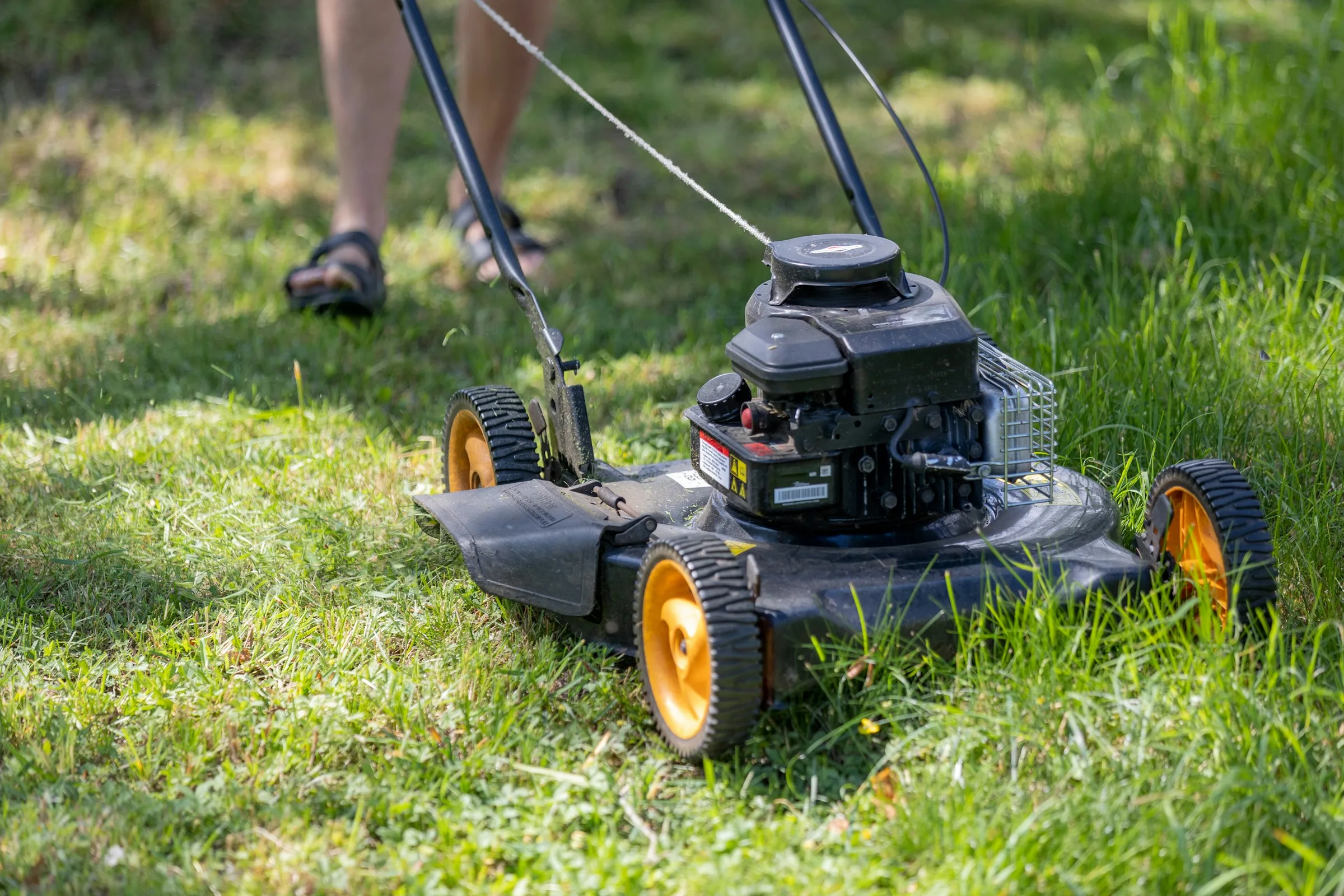
For a Salem-area homeowner, lawn care cost is best understood as a recurring service plan—not a single hourly number. The size and shape of the lawn matter, but so do access, slopes, obstacles, edge length, starting condition, and how often the lawn needs attention.
A useful lawn care price begins with a defined visit.
There is no responsible flat price for every Salem lawn. One quote may cover mowing only. Another may include trimming along accessible walks, beds, and fences. One may assume routine growth on an established schedule, while another includes the extra time needed to bring an overgrown lawn back under control.
Ask for the recurring price after the provider has seen the lawn or reviewed clear measurements, photos, access, and current condition. Then make sure the number is tied to a written visit scope.
Six yard details can change the mowing quote.
Lawn area and shape
A broad open lawn and several narrow or curved lawn sections can take different amounts of time even when their total square footage is similar.
Gates and access
Gate width, steps, narrow side yards, parking distance, and separated front and back lawns affect how equipment moves through the property.
Slope and footing
Steep banks, uneven ground, roots, soft areas, and persistently wet turf can slow safe mowing or require a different service plan.
Edges and obstacles
Walks, planting beds, fences, posts, trees, play equipment, and other boundaries add trimming and careful maneuvering.
Current condition
Tall growth, leaf buildup, hidden debris, or edges that have disappeared into beds may need a reset before routine service begins.
Visit frequency
Longer gaps can mean heavier growth and more time per visit. A consistent cadence may keep each visit more predictable.
“Lawn care” can describe very different scopes.
Willamette Valley Landscape’s recurring lawncare service centers on mowing agreed residential turf areas and trimming accessible edges along beds, walks, fences, and other confirmed boundaries. The estimate should identify which lawn areas are included and what finished edge work you can expect.
Do not assume weed treatment, aeration, overseeding, major cleanup, irrigation repair, or turf renovation is bundled into routine mowing. If one of those concerns matters to you, request it directly and confirm whether it is available as a separate scope. That keeps a lower mowing quote from being mistaken for a more comprehensive lawn program.
Read the exclusions as carefully as the service list.
Two quotes with the same total are not equivalent when one leaves cleanup, edge trimming, difficult lawn sections, or seasonal schedule changes unclear.
Per-visit and monthly pricing answer different questions.
Per visit
You can connect each charge to a completed visit. Confirm how weather delays, skipped visits, heavy growth, and schedule changes are handled.
Monthly plan
You gain a steadier budgeting number. Confirm the expected visit cadence, seasonal adjustments, and whether the monthly total changes during slower-growth periods.
Hourly rate
An hourly figure can help explain labor, but it does not define the result. Ask what work, equipment, crew arrangement, and cleanup the estimated time covers.
Recurring agreement
Review start date, service areas, included edges, access expectations, change terms, and the process for raising a lawn or irrigation concern.
Use the billing format that is easiest for you to understand, but compare the full seasonal commitment—not one isolated number.
Separate catch-up work from the recurring rate.
A lawn that has missed several cuts may need slower passes, more clipping management, obstacle removal, or edge recovery before it can move onto a normal schedule. If that work is needed, ask for the first-visit or cleanup amount separately from the ongoing mowing price.
This distinction also helps when comparing providers. A low recurring figure may not include the initial reset, while a larger first invoice may combine both. The clearest proposal shows where routine service starts.
The schedule should respond to growth—not just the calendar.
Willamette Valley lawns do not grow at one constant rate. Spring rain can accelerate growth, while summer heat can slow it. Wet or soft ground can also affect whether mowing on a particular day would leave a clean result.
Ask how the proposed cadence handles faster growth, slower periods, weather delays, and any visit that needs to move. If dry arcs, pooling, or coverage gaps are changing the lawn, mowing more often may not solve the issue; review irrigation services as a separate path. The Willamette Valley yard care calendar offers a broader seasonal view.
Put every lawn care estimate on the same page.
Before choosing a provider, write down the front, back, side, and curbside lawn areas you expect to be serviced. Then compare each proposal using the same checklist:
- Which lawn areas are included?Confirm boundaries, separated sections, slopes, and any excluded ground.
- Which edges will be trimmed?Name beds, walks, fences, curbs, and other reachable boundaries instead of relying on “standard service.”
- What is the planned cadence?Compare the expected number or rhythm of visits and how seasonal changes are handled.
- Is first-visit work separate?Identify tall growth, leaves, debris, or edge recovery that falls outside routine mowing.
- How are delays and changes handled?Understand weather rescheduling, access problems, skipped visits, and approval for additional work.
Willamette Valley Landscape serves Salem, Keizer, and other listed communities across its service area. Availability and pricing still depend on the specific address and lawn scope.
Quick answers about lawn care cost.
What is the average cost of lawn care in Salem, Oregon?
A broad average is not a reliable price for a specific Salem yard. Recurring mowing cost depends on the lawn area and shape, gates and access, slope, obstacles, current growth, edge-trimming needs, service frequency, and the exact work included. A property-specific quote is the clearest way to establish a useful total.
How is recurring lawn care pricing calculated?
Providers commonly evaluate how much lawn must be mowed, how long the visit is likely to take, how equipment reaches each area, how much trimming is required, the starting condition, and the agreed visit cadence. The resulting quote may be presented per visit or as a recurring monthly amount.
Is a monthly lawn care price better than a per-visit price?
Neither format is automatically better. A per-visit quote is easy to connect to each completed service, while a monthly plan can make budgeting simpler. Compare the number or cadence of visits, seasonal schedule, included work, weather policy, and change terms before comparing totals.
What is included in Willamette Valley Landscape lawn service?
Recurring service centers on mowing the agreed residential turf areas and trimming accessible edges along beds, walks, fences, and other confirmed boundaries. Weed treatment, aeration, overseeding, major cleanup, irrigation repair, and turf renovation should be requested and confirmed separately rather than assumed to be included.
Why can the first lawn care visit cost more than later visits?
An overgrown or debris-covered lawn may need a different first-visit scope before routine mowing can begin. Tall growth, hidden obstacles, fallen branches, leaf buildup, or edges that need to be re-established can add work that is not part of a normal recurring visit. Ask the provider to separate that reset work from the ongoing price.
Request a recurring lawn care estimate.
Tell Willamette Valley Landscape which lawn areas you want handled, your preferred service rhythm, and anything that affects access or mowing. Photos of the full front and back lawn can help start the conversation.