
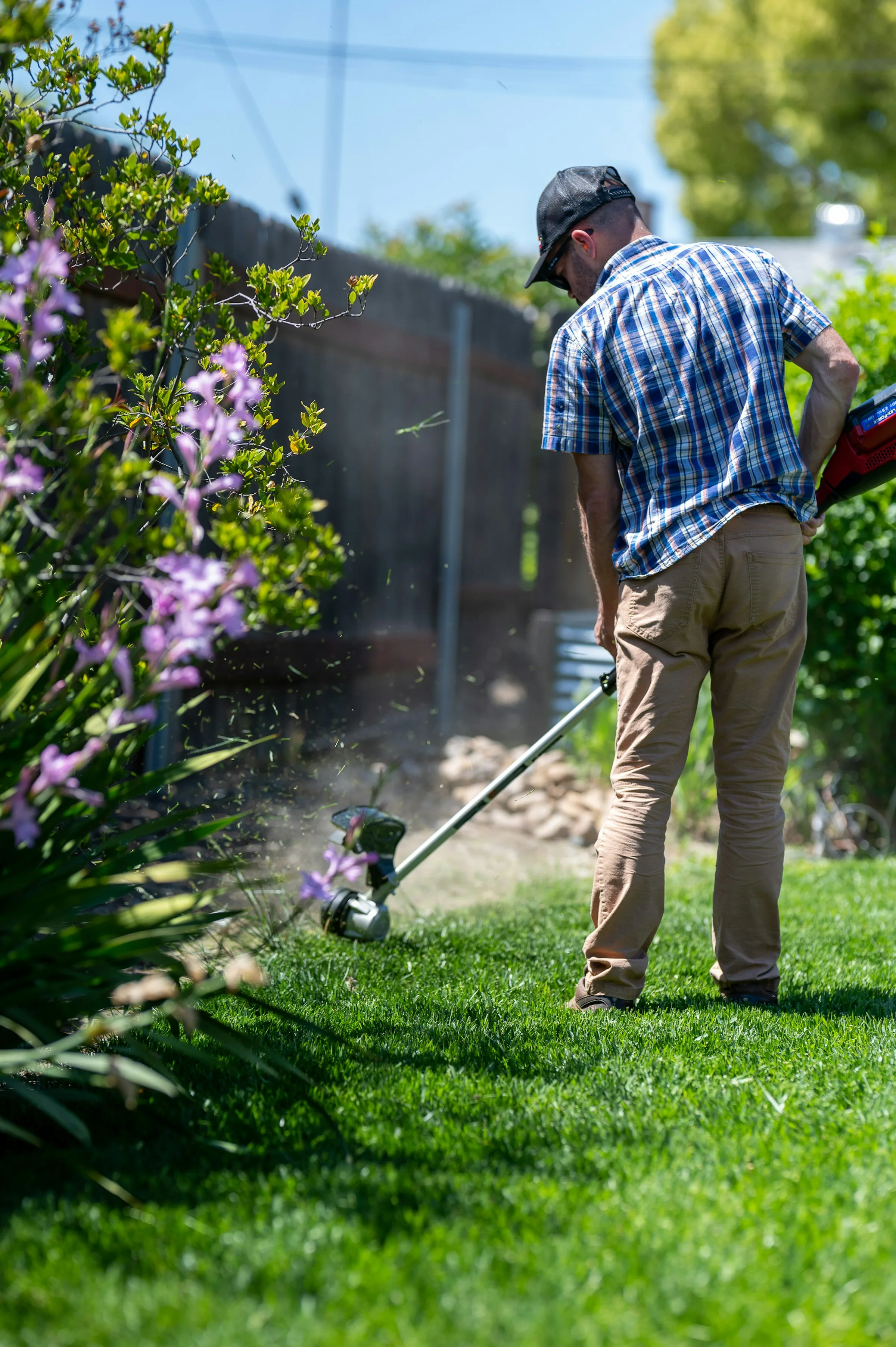
Willamette Valley landscapes move between long wet stretches and dry summer conditions. A useful care calendar responds to what the yard is doing now while collecting the observations that make future lawn, irrigation, drainage, and hardscape decisions more accurate.
Reset edges, inspect coverage, and watch new growth.
As active growth returns, walk the lawn and planting areas before settling into a mowing or watering routine. Look for thin turf, standing water, winter debris, lifted edges, compacted traffic routes, sprinkler damage, and plants crowding paths or equipment access.
Test irrigation by zone before it becomes essential. Watch each head or emitter, check for leaks and overspray, and compare coverage with the current lawn and planting footprint. If the landscape changed over winter, the old schedule or layout may no longer fit. See irrigation services for system adjustments and repairs.
Do not rush onto saturated ground.
Heavy equipment, repeated foot traffic, and mowing on soft soil can leave ruts and compaction. Let conditions—not the first dry afternoon—determine when routine access makes sense.
Manage water, wear, and outdoor use together.
Warm, dry weather makes irrigation performance and traffic patterns easier to see. Look for recurring dry spots, runoff from watering, misting that misses the target, and overspray onto fences, walls, or paving. Adjust the system to current conditions rather than using more water to compensate for a distribution problem.
Notice how people actually move through the yard. Worn shortcuts, chairs placed off the patio, or equipment squeezed through planting can point to a layout issue. Record these patterns while the yard is busiest; they can guide a future walkway, patio adjustment, gate change, or simpler lawn edge.
Prepare water paths before leaves and rain accumulate.
Leaf cleanup is more than appearance when debris blocks drains, channels, and low exits. Clear known water paths and observe the first sustained rains. Photograph where roof water lands, which surfaces shed runoff, where soil remains soft, and whether water approaches doors, foundations, walkways, or neighboring areas.
Fall is also useful for reviewing planting size, fence lines, and access while growth is still visible. Avoid pruning every plant by one universal rule; timing depends on the species, its condition, and the reason for the cut. Focus the property-wide review on hazards, blocked circulation, and areas that will be harder to reach in winter.
Use wet weather to understand drainage and access.
Winter reveals site behavior that summer can hide. Trace runoff during rain, mark persistent puddles, and note which side-yard or gate routes stay firm enough for access. These details can affect finished elevations, base preparation, staging, and the season in which outdoor construction can proceed responsibly.
If a patio or walkway is part of the plan, read how Salem rain changes hardscape planning. Winter observations are valuable inputs, but they do not by themselves prescribe a drain or grading solution; the full site and destination for water need review.
Keep a short record of recurring yard conditions.
A few dated photos can be more useful than relying on memory. Capture the same low point during heavy rain and dry weather, note irrigation changes, and record where use or maintenance repeatedly conflicts with the layout. This creates a clearer starting point when discussing lawn care, irrigation, drainage, or built improvements.
Review the calendar after a major change. New hardscape, planting, fencing, irrigation, or a different household routine can shift access and maintenance needs. The lower-maintenance backyard guide can help turn those observations into a simpler long-term layout.
Seasonal yard care questions.
When should I restart irrigation in the Willamette Valley?
Use current weather, soil moisture, plant needs, sun exposure, and local watering guidance rather than a fixed calendar date. Inspect the system before regular use, correct leaks or misaligned heads, and increase watering only as the landscape and warmer conditions require.
What yard work is most useful before the rainy season?
Clear leaves and debris from known water paths, observe low areas, check downspout discharge, reduce trip hazards, and note soft access routes. These observations help separate routine cleanup from drainage, grading, irrigation, or hardscape issues that need a larger plan.
Is winter a good time to plan an outdoor project?
Winter observations can reveal runoff, pooling, shade, and saturated access that are easy to miss in summer. Planning can begin then, but the right construction timing depends on the scope, soil conditions, weather, material availability, and access.
How often should a seasonal yard plan be updated?
Review it whenever use, planting, irrigation, drainage, or built features change. A short spring and fall walkthrough can catch new conflicts before they become recurring maintenance problems.
Turn seasonal observations into a clearer yard plan.
Tell Willamette Valley Landscape what changes through the year, which areas require the most attention, and what you want the yard to support. Include your address and wide photos to begin.