
Map the zones
Turf, beds, sunny slopes, and shaded areas can have different water needs. Grouping unlike areas together makes even scheduling difficult.
Fix dry spots, overspray, waste, and uneven coverage with irrigation work that supports the lawn and plants you want to keep healthy.
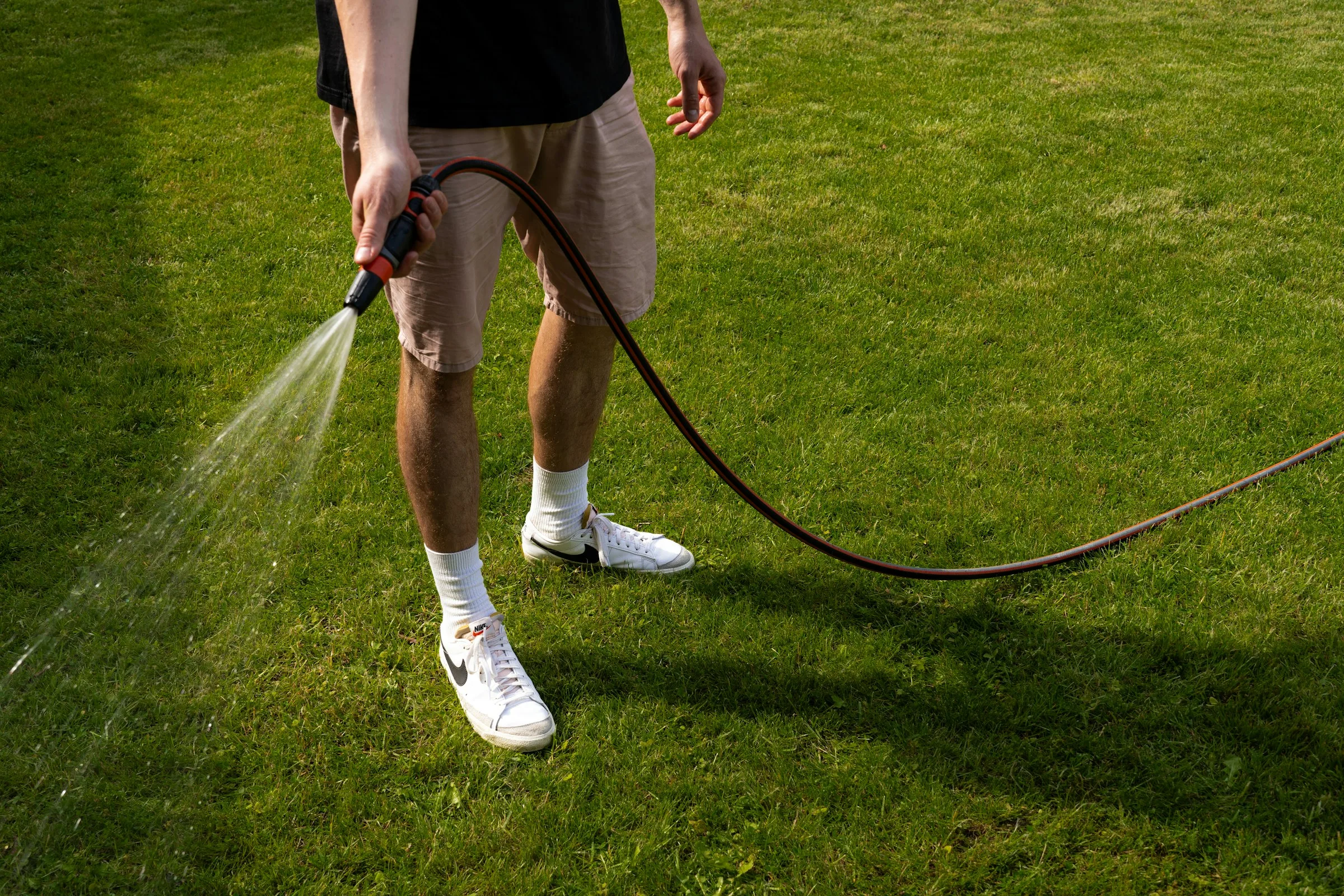
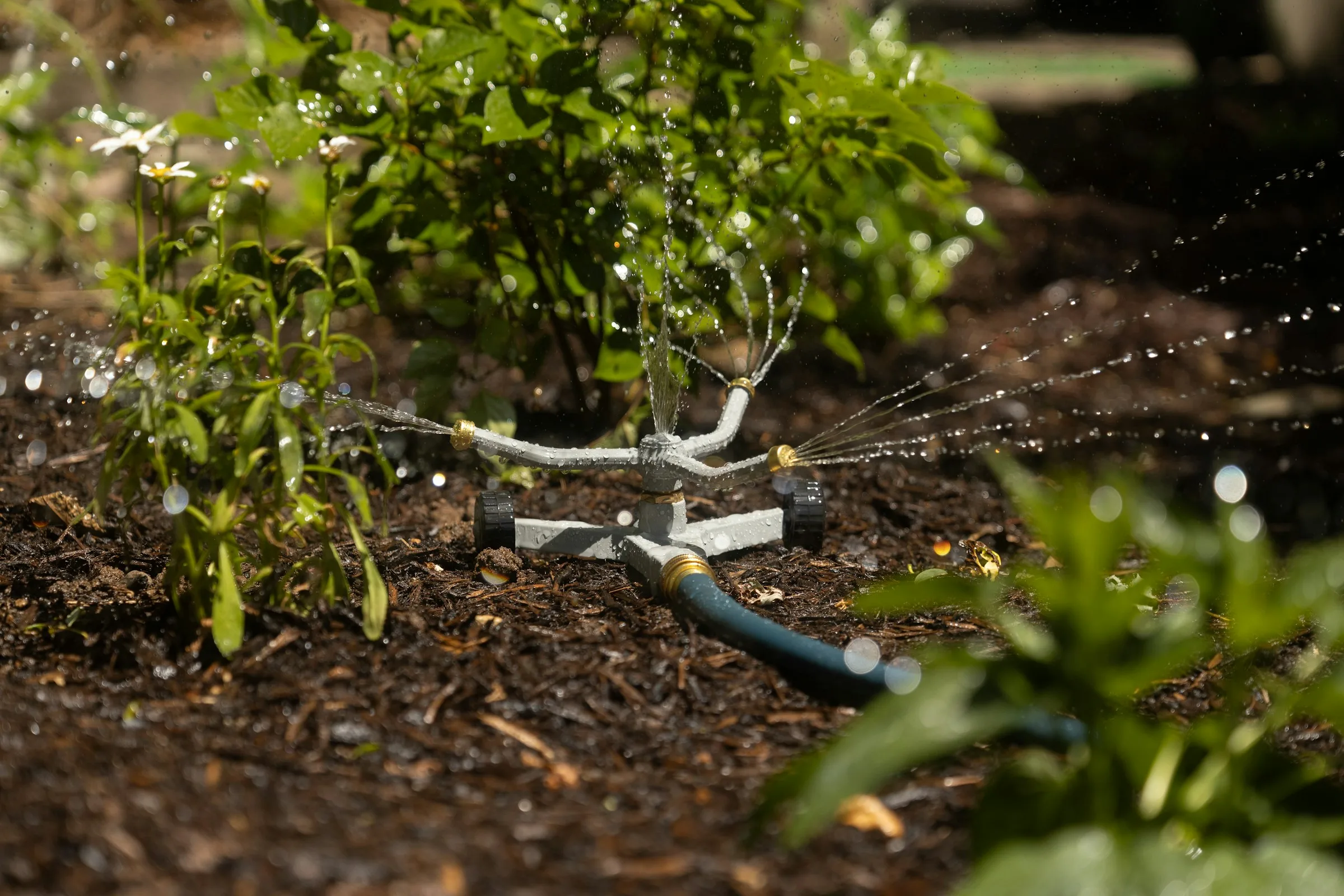
Dry arcs, overspray, pooling, runoff, damaged heads, and zones that do not match plant needs are practical warning signs. A system also needs seasonal adjustment; a setting that fits summer may waste water during cooler, wetter periods.
We can make better sense of an irrigation concern when you identify the affected zone and the visible symptom. A short video can show a dry arc, overspray, a damaged head, weak pressure, or water reaching pavement. Also note whether the concern appeared suddenly or has followed a seasonal pattern.
Dry arcs, overspray, pressure, runoff, and mismatched zones reveal different issues. Seeing when and where the water lands helps focus the evaluation.
Turf, beds, sunny slopes, and shaded areas can have different water needs. Grouping unlike areas together makes even scheduling difficult.
Spacing, pressure, nozzles, and obstacles affect distribution. The visual pattern at each head is only one part of checking the whole zone.
More irrigation is not the answer when water already lingers because of grade or soil behavior. Identify whether the concern is delivery, absorption, or both.

Periodic observation can reveal blocked spray, tilted heads, leaks, and new obstacles. Adjustments should account for current weather and landscape growth instead of relying on a set-it-and-forget-it schedule.
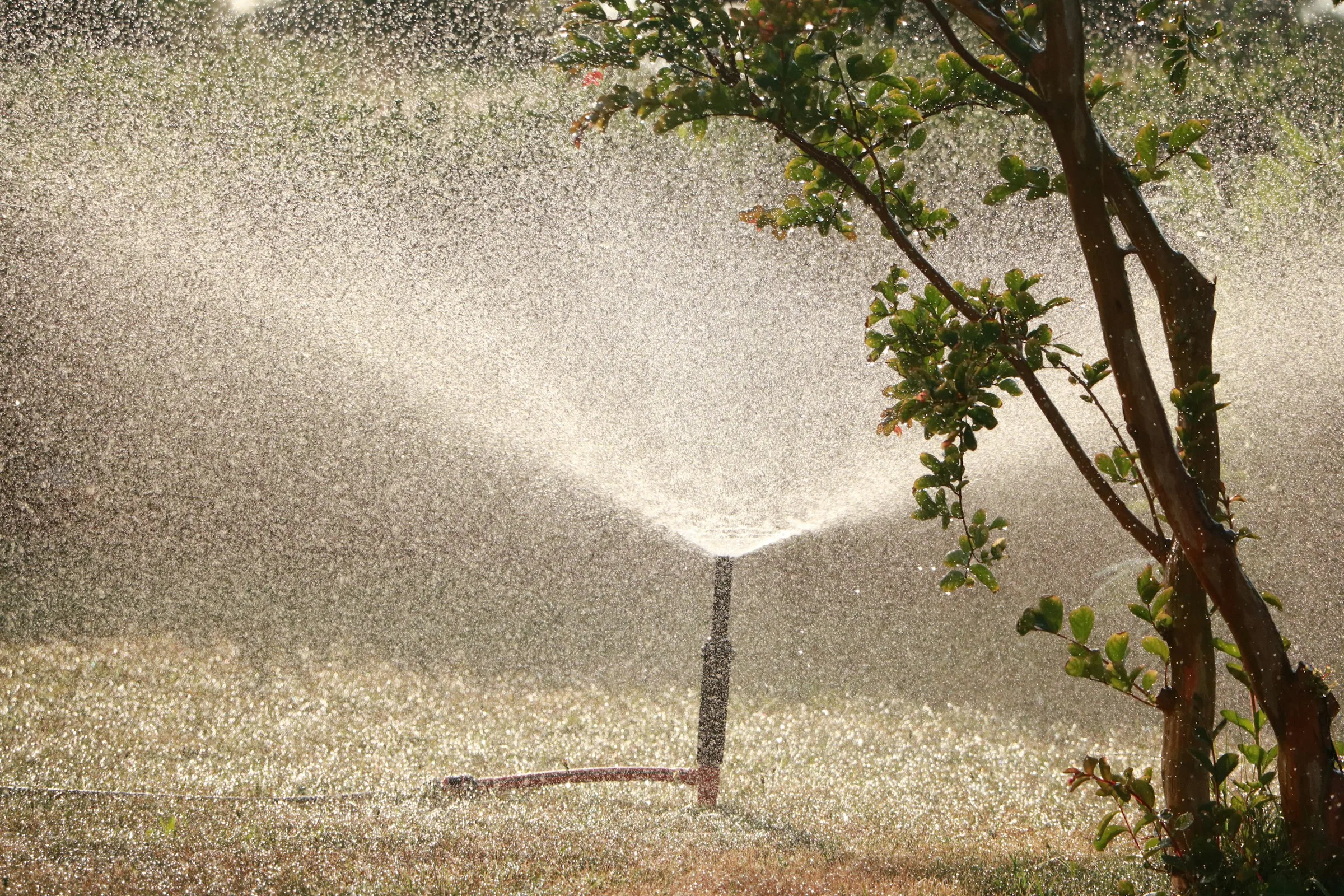
Identify turf, planting, and exposure differences before laying out coverage.
Consider pressure, precipitation rate, overspray, and runoff.
Plan for practical scheduling and seasonal changes.
Tell us what you want to change or what is not working now. Share a few photos if you have them, and we’ll help you take the next step.