
Confirm the line first
A fence should not be used to guess a property boundary. Survey information, easements, utilities, and neighbor coordination may need attention before work begins.
Add the privacy, pet containment, safety, or boundary definition your yard is missing with a fence that fits the way you use home.
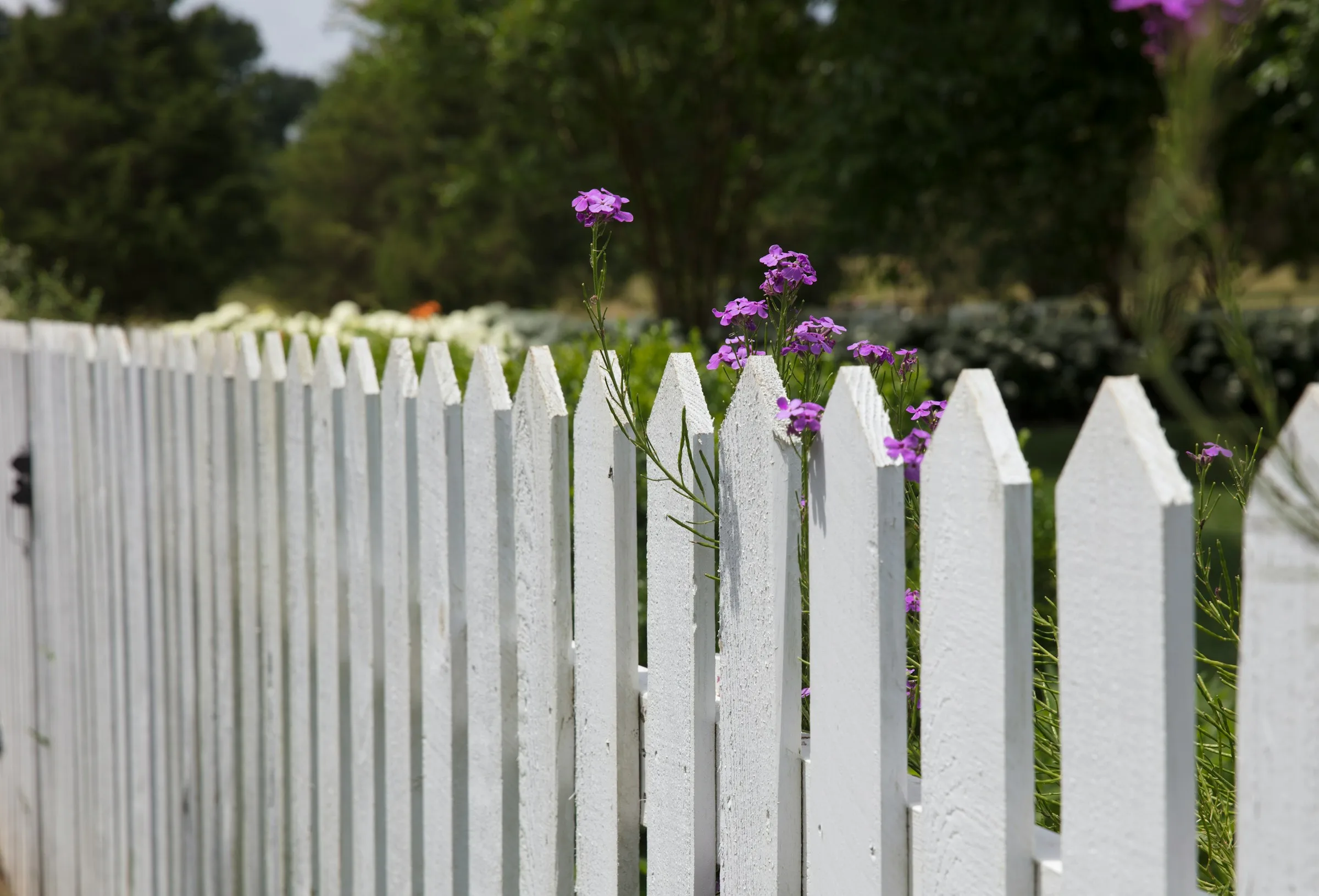
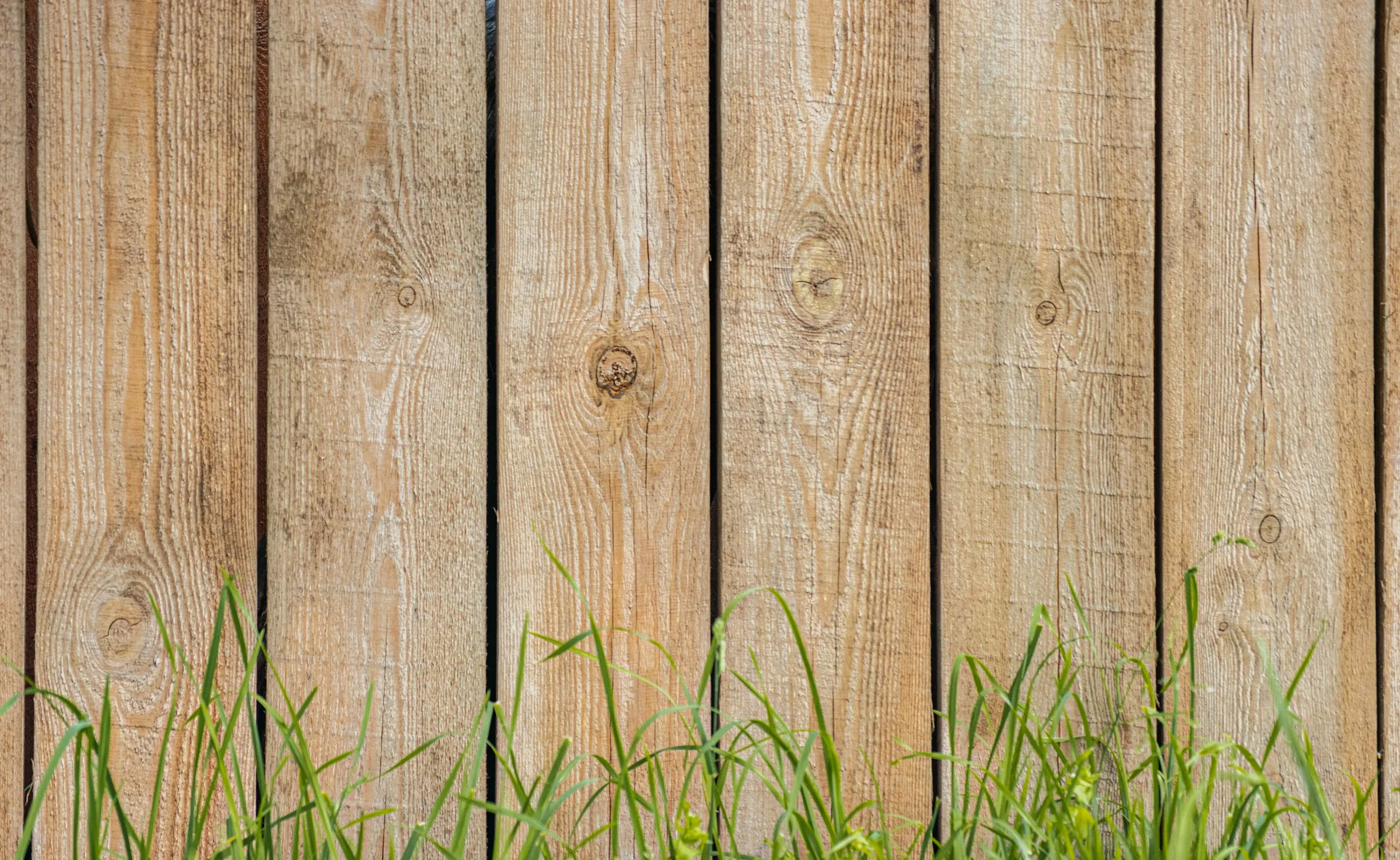
A localized problem may call for targeted repair, while widespread rot, movement, failing posts, or a layout that no longer serves the property can point toward replacement. The condition of posts and structure matters more than surface appearance alone.
We can discuss a fence more clearly when the intended line, changes in grade, and daily openings are visible. Wide photos from both ends of the run help show trees, utilities, neighboring surfaces, and tight corners. Tell us whether the priority is privacy, pet containment, appearance, or replacing a failing section.
Boundary information, utilities, grade, post conditions, gate movement, height, and material upkeep should be settled before the enclosure is detailed.
A fence should not be used to guess a property boundary. Survey information, easements, utilities, and neighbor coordination may need attention before work begins.
Trash bins, mowers, trailers, garden equipment, and everyday foot traffic all affect useful gate width and placement.
Posts, fasteners, finish, and ground contact details should be considered with Willamette Valley moisture and maintenance in mind.
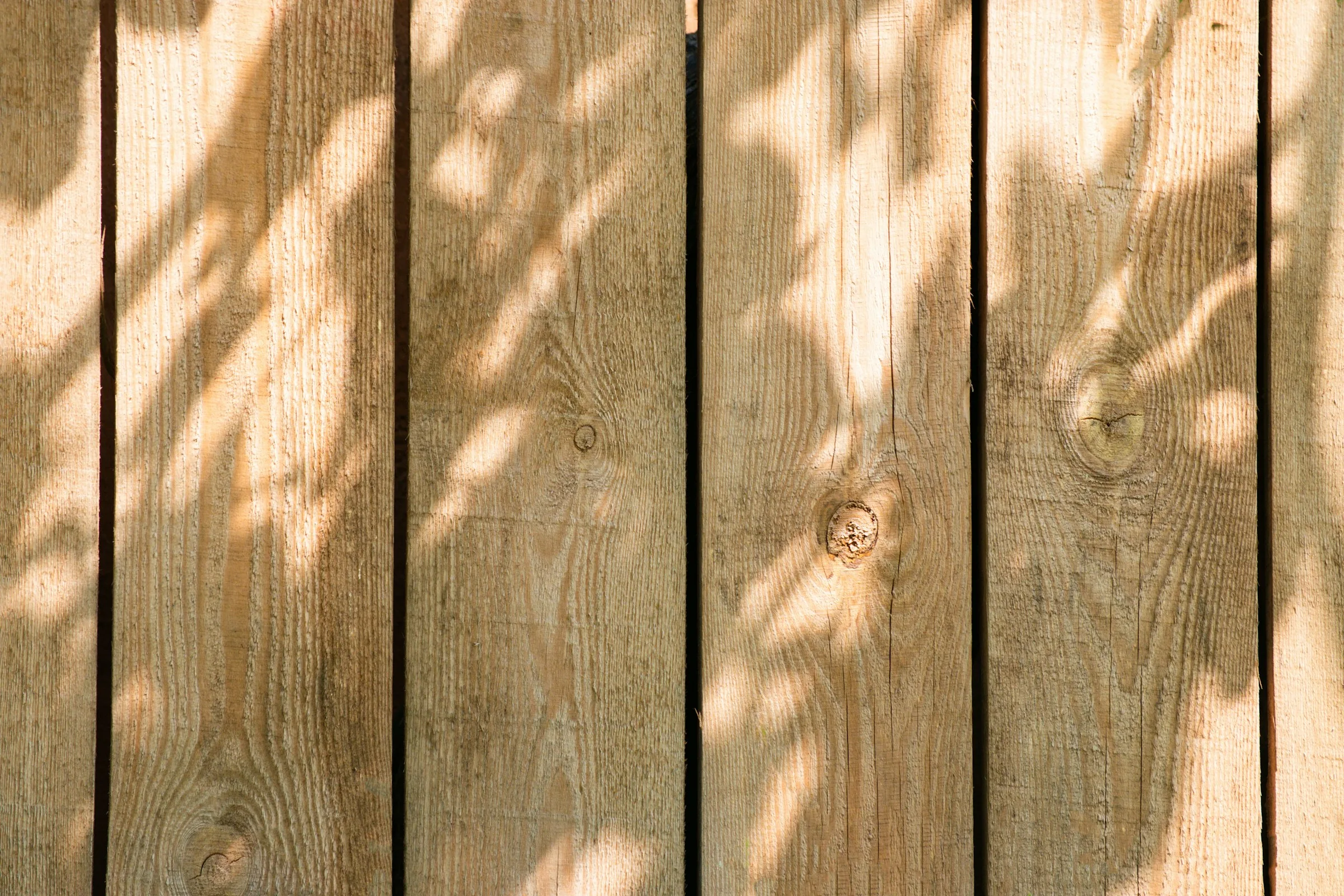
Posts, rails, hardware, gates, drainage at the base, and protective finishes all influence service life. Periodic inspection can catch movement or decay before it spreads.

Review property information and applicable city requirements before fixing the layout.
The main job of the fence shapes height, openness, and gate design.
Compare how materials weather, clean, and relate to the home.
Tell us what you want to change or what is not working now. Share a few photos if you have them, and we’ll help you take the next step.