
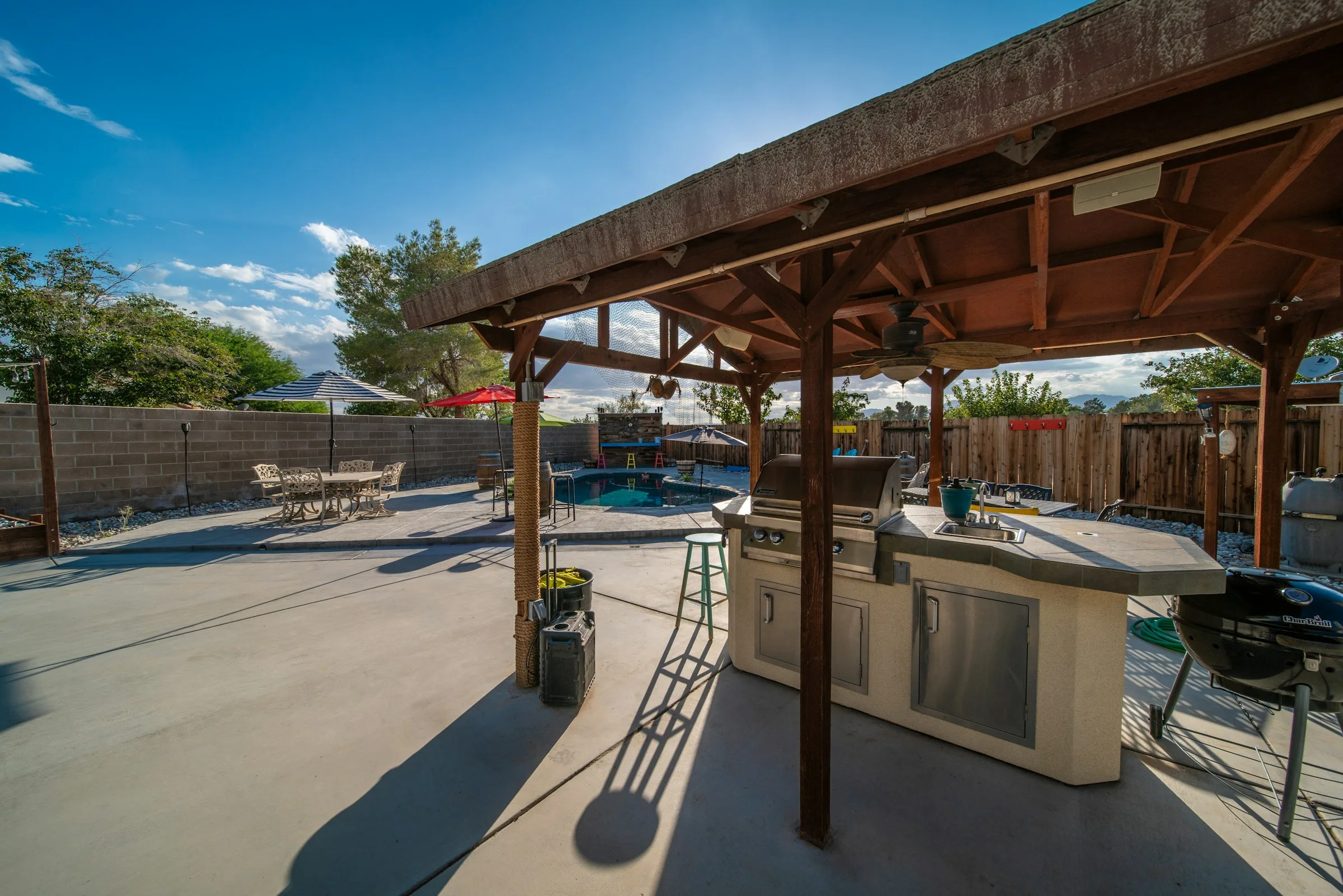
Willamette Valley Landscape provides hardscape services in Salem for patios, walkways, steps, retaining features, gravel spaces, and other built outdoor areas. A useful estimate starts with the problem you want to solve, then connects the visible finish to site preparation, water movement, access, and future work around it.
Which seven questions should you ask before booking Salem hardscape work?
- What problem will the project solve?Define the route, gathering space, grade change, or edge that needs to work better.
- What site conditions affect the plan?Review rainwater, finished elevations, soil, roots, irrigation, utilities, gates, and equipment access.
- What is included in writing?Compare removal, preparation, drainage-related work, installation, cleanup, restoration, and exclusions.
- Why does the material fit the use?Consider traction, furniture, wheels, heat, joints, repair, cleaning, and long-term care.
- What could change cost or timing?Clarify site assumptions, material availability, weather dependencies, and change approval.
- What should happen before installation?Coordinate utilities, irrigation, drainage, grade work, approvals when applicable, and access before the finish is installed.
- What happens after installation?Ask what maintenance the surface, joints, edges, and drainage path will need.
What is included in a Salem hardscape project?
Hardscape is the built, non-living part of the landscape. Depending on the project, that can include a patio, walkway, steps, retaining feature, or gravel area. Pavers are one hardscape material option; poured concrete, natural stone, and loose aggregate can also be considered for appropriate applications.
The installation is more than the surface you see. Removal, excavation, prepared base, drainage-related work, edge restraint, transitions, hauling, cleanup, and restoration may all affect the scope. Start by walking the yard as you use it now and naming the main problem: a muddy route, an undersized gathering area, an abrupt grade change, or unreliable footing. The hardscape service overview explains how these built features connect with grade, water, and the surrounding landscape.
A finish cannot correct the wrong footprint.
Before comparing pavers, concrete, stone, or gravel, confirm the useful width, furniture space, door clearance, gate access, edge conditions, and elevation changes the project needs to handle.
How will Salem rain, grade, and access affect the hardscape plan?
Rainy periods reveal information that a dry-day material sample cannot. Note where roof and surface water enter the area, where puddles or soft ground remain, and where runoff leaves. The finished hardscape needs a deliberate relationship to doors, foundations, lawn, planting, existing paving, and neighboring areas rather than simply pushing water to the closest edge.
On an established Salem lot, roots, irrigation, utilities, gates, narrow side yards, and existing steps can also shape the practical footprint and construction access. Measure the route into the yard as well as the project area, and photograph the whole setting from several angles. For a deeper wet-weather review, read how Salem rain changes patio and walkway planning; the Salem landscaping guide connects hardscape with lawn, irrigation, fencing, and other outdoor improvements.
Compare the hidden scope with the visible finish.
Area, removal, excavation, base preparation, drainage, access, edges, steps, material, hauling, cleanup, and restoration can all affect an estimate. Ask what is included instead of comparing square-foot or hourly numbers without the work behind them.
Would a patio create enough room for daily use?
A patio should provide enough level area for its intended use and enough circulation around it. A dining table needs room for chairs to move without dropping off an edge. A grill needs a practical relationship to the door and seating. A fire feature, if planned, changes clearances and how people circulate.
Patio planning also includes finished elevation, drainage, sun exposure, nearby planting, and how the surface meets steps, lawn, or beds. Pavers, concrete, and natural stone bring different joint, texture, repair, cleaning, and edge questions. A compact, well-proportioned patio can be more useful than a larger shape that leaves furniture in a traffic path. Compare those options in the Willamette Valley patio materials guide.
Would a walkway create a dependable wet-weather route?
A walkway earns its space by making movement predictable. The route to a side gate may need width for bins or equipment. A front approach should make the entrance obvious and manage the transition to existing paving. A garden path can be more informal, but it still needs stable footing and clean edges.
Follow the route people already take instead of forcing an unnecessary detour. Review slope, traction, step placement, lighting coordination, gate swings, and runoff along the full path. When a sprinkler line or head conflicts with the route, plan irrigation adjustments before excavation.
Does the grade require a retaining feature?
A low landscape edge and a wall that supports soil are not the same project. When soil, a slope, or another load needs to be retained, drainage behind the feature, foundation conditions, height, setbacks, and nearby structures become important. Steps or guard conditions may also enter the plan.
Do not select a retaining solution from appearance alone. The site should be evaluated to understand what the feature must hold and where water can move. Depending on the scope, applicable city review should be confirmed before construction.
Will loose gravel suit everyday use and upkeep?
Gravel can suit garden paths, selected sitting areas, or a transitional zone when loose material will not create a problem at doors, slopes, wheels, or lawn edges. It still needs a defined footprint, suitable preparation, containment, and a plan for weeds, displacement, and replenishment.
Think about shoes, chair legs, carts, strollers, mobility needs, pets, and the distance between the gravel and interior floors. Those daily details determine whether the texture feels relaxed or simply difficult to use.
What work should happen before the hardscape finish?
A useful plan might pair a level patio at the back door with a narrower path to the gate. Another yard may need grade and drainage work first, followed by a gathering surface. Coordinated dimensions, materials, and edges can connect the pieces without making every zone identical.
Plan work below the surface before finishes above it. Drainage decisions, utilities, irrigation, retaining conditions, and equipment access can affect which piece should be built first. If lower weekly upkeep is also a goal, use the lower-maintenance Salem backyard guide to balance built surfaces with lawn, planting, and irrigation.
More hardscape questions Salem homeowners ask before booking.
What is included in hardscaping?
Hardscaping generally includes the built, non-living parts of a landscape, such as patios, walkways, steps, retaining features, and gravel areas. A complete project may also involve removal, excavation, base preparation, drainage-related work, edge restraint, transitions, cleanup, and restoration. Confirm the exact visible features and supporting work included in the written scope.
Does hardscape include pavers?
Yes. Pavers are a common hardscape option for patios and walkways. They are one surface choice alongside poured concrete, natural stone, and gravel. The right choice depends on the intended use, site preparation, drainage, traction, edge treatment, repair expectations, appearance, and maintenance.
What should I ask before hiring a hardscape contractor in Salem, OR?
Ask how the footprint supports daily use and how the written scope addresses removal, excavation, base preparation, drainage, edges, access, materials, cleanup, and aftercare. Clarify what is included, what is excluded, and how changes will be approved if excavation reveals different site conditions.
How should I compare hardscape estimates?
Compare the same complete scope, not only the total price. Check dimensions, demolition, excavation, base preparation, drainage-related work, material, edges, steps, delivery, equipment access, hauling, cleanup, restoration, exclusions, payment terms, and the process for approving changes.
Why do rain and drainage matter for hardscape in Salem?
A new surface changes how water moves through the yard. Ask how finished elevations relate to doors, foundations, lawn, planting, downspouts, and existing paving; where runoff will go; and whether wet or soft access affects preparation or scheduling. The answer should address the whole site, not only the surface finish.
What maintenance should I expect after hardscape installation?
The routine depends on the surface, joints, edges, exposure, and surrounding landscape. Ask about cleaning, weed or organic-growth management, joint or infill care, drainage checks, stain response, sealing when applicable, and what signs of movement or settling should prompt attention.
Get a Salem hardscape estimate for your property.
Tell Willamette Valley Landscape whether you are considering a patio, walkway, retaining feature, steps, or gravel area—and what needs to work better. Include your Salem address, approximate dimensions, access route, and a few wide photos so the first conversation can focus on the right scope.